

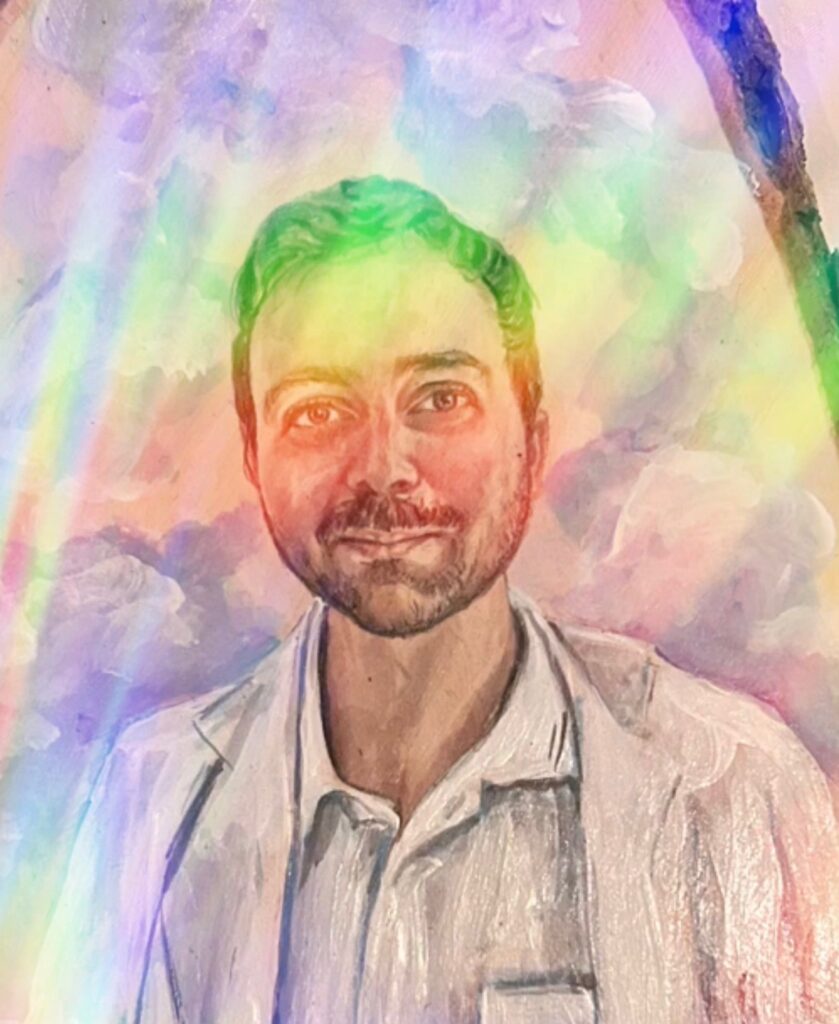
Dr. Philip Klumpen
Consultant Urologist · Specialist in Gender-Affirming Genital Surgery
Dr. Philip Klumpen is a specialist in urology who has focused on reconstructive urology and gender-affirming genital surgery for many years. Since 2021, he has headed the Genital Surgery Unit at Klinik Favoriten in Vienna. Together with his team, he has built one of Austria’s most experienced units for feminising genital surgery.
His work focuses on the individual planning and performance of procedures such as vaginoplasty, vulvoplasty, orchiectomy and revision surgery. He combines a high level of surgical precision with particular attention to function, aesthetics and long-term follow-up care.
What matters especially to us is that Dr. Klumpen’s care goes beyond the operation itself. From the initial consultation and collaborative planning through to follow-up care, he personally supports his patients and places great importance on respectful, compassionate and discrimination-free treatment.
A holistic approach is equally important to him professionally. He works across disciplines with other areas of gender-affirming medicine and bases his treatment on current scientific standards and WPATH guidelines.
We are delighted to introduce Dr. Philip Klumpen as one of the experts we work closely with. We look forward to continuing our collaboration as we work towards high-quality, competent and respectful care for trans* and gender-diverse people.

Dr. Ernst Christian Silbermayr
A Life Between Psychology, Activism and Social Engagement
Ernst Christian Silbermayr was born in Vienna on 21 January 1961. His career brings together an impressive range of professional and social activities. After studying psychology and political science at the University of Vienna, he completed his doctorate (Dr. phil.) in 1988. This was followed by a varied career combining research, the arts and social engagement.
During his studies, he also trained as an actor and worked in theatre and film. At the same time, he began training in client-centred psychotherapy based on the approach of Carl Rogers (ÖGwG), followed by training in psychodrama, sociometry and role play (ÖAGG), which he completed in 1996. His engagement with the LGBTIQ community began in 1986 and included involvement in a number of projects, among them the founding of Austria’s first gay sports club, “Aufschlag”, and the Vienna City Tuntathlon.
From 1988 onwards, he worked at the Austrian AIDS organisation, later known as Aidshilfe Wien, where he established and led the Buddy Project—an initiative providing voluntary emotional support to people living with HIV/AIDS. In 1992, he was registered as a psychotherapist and as a clinical and health psychologist. Since 1993, he has worked independently as a psychotherapist, clinical and health psychologist, supervisor, coach, mediator and trainer. His areas of specialisation include crisis intervention, communication, conflict management, addiction and dependency, sexuality, gender identity and psychosomatic health.
From 1994 to 2004, he worked for Verein Dialog, an outpatient drug counselling service. From 2005 onwards, he worked with Verein P.A.S.S., which focuses on prevention, counselling for relatives and addiction counselling. He has shared his expertise through numerous teaching appointments, including at the University of Innsbruck and in training programmes for mediation and life counselling. In 2004, he completed mediation training and was registered as a mediator with the Austrian Federal Ministry of Justice. In 2018, he also became certified in clinical hypnosis.
Working with trans*, intersex and non-binary people is particularly important to him. From 2022, he headed the Trans*, Inter* and Sexualities Psychotherapy Expert Group within the Austrian Federal Association for Psychotherapy (ÖBVP), initially as co-lead and, from 2026, as sole lead. He also contributed to the Austrian Federal Ministry’s 2017–2018 recommendations on variations in sex characteristics. In 2023, he worked as a sociodramatist on the documentaries Lace Relations and Death and the Maiden. Since 2025, he has also been a trainer for the “Smoke-Free in 6 Weeks” programme run by the Austrian Health Insurance Fund (ÖGK).
His commitment to an open, diverse society and his dedication to psychological and social issues make him an influential figure in Austria.
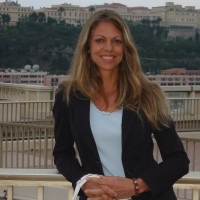
Barbara Dworak
Psychotherapist · Supervisor · Companion on the Journey
Some people accompany us for part of our journey. Others help us find our own path again when we have lost sight of it. For us, Barbara Dworak is one of the latter.
Barbara is our supervisor. She helps us reflect on our work, consider new perspectives and remain grounded in ourselves and attentive to the people we support, even in challenging situations. Her many years of experience as a psychotherapist, particularly in systemic therapy and EMDR trauma therapy, bring a special depth to our collaboration.
On a personal level, Barbara is also an important companion on my journey. Her therapeutic work has helped me face painful experiences and grief, process what I have been through, and reconnect with my own resources and inner strength. Her support has also been invaluable in helping me make sense of my personal history and the experiences connected to it.
What I particularly value about Barbara is her approach: humanity, appreciation and empathy, combined with the courage to look at difficult things, too. She does not approach people with ready-made answers, but with curiosity, openness and a belief in the possibility of change.
That she now supports not only me personally but also our work at trans* Vielfalt as a supervisor means a great deal to me. We are very grateful to have Barbara by our side—as an experienced psychotherapist, as a supervisor and, above all, as someone who continually reminds us on our journey that difficult experiences can also become a source of new strength.
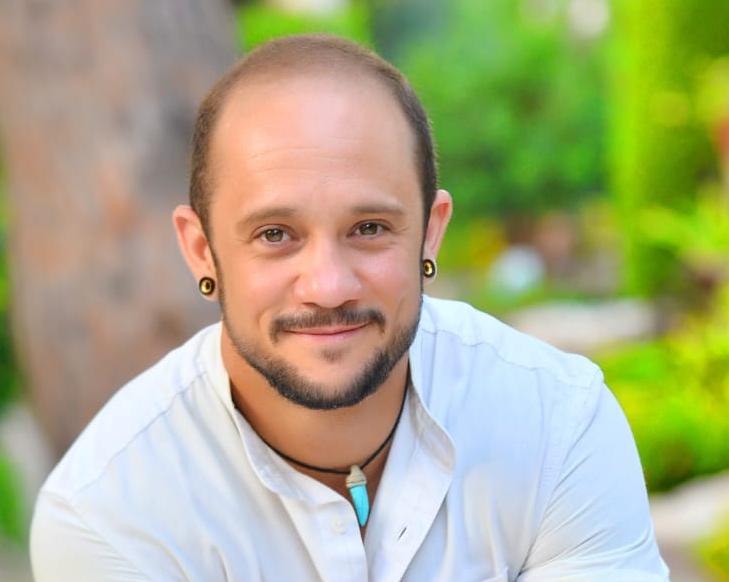
Adrian Kirlier
Sexuality Educator · Clinical Sexologist · Psychosocial Counsellor
Sometimes our work finds us before we even begin looking for it ourselves. That was the case for Adrian Kirlier. His journey began with supporting a group of family members of trans people. Through his training as a psychosocial counsellor, he eventually found his way into sexuality education—a field he has been passionate about ever since.
Working with children and young people is particularly important to Adrian. In workshops, he supports young people in getting to know their bodies, their sexuality and their own needs, and in developing a conscious and self-determined relationship with them. He also supports adults with questions relating to sexuality and personal well-being.
To bring education together with a deeper understanding of body awareness and sexuality, Adrian went on to train as a clinical sexologist. He completed both programmes at the Austrian Institute for Sexuality Education and Sexual Counselling (ISP).
A key focus of his work is body-oriented support based on the Sexocorporel approach. This centres on how we perceive, experience and inhabit our own bodies. Sexuality is understood as something that also takes place in the body—and is therefore closely connected to our bodily awareness.
For trans* and non-binary people in particular, consciously exploring their relationship with their bodies can be a valuable form of additional support. The aim is not to prescribe how a body “should” be experienced or to dictate medical decisions. Instead, the focus is on strengthening each person’s own awareness and exploring questions such as:
- Which parts of my body feel naturally and unmistakably like “me”?
- Which parts might feel unfamiliar or less connected to me?
- How do I experience my body at rest, in movement and through touch?
- What sensations do I notice—and which have I perhaps barely noticed until now?
A central concept here is the body schema—our internal map of our own body. It develops through our experiences and perceptions and can change over the course of our lives. Before hormonal or surgical changes, and afterwards too, it can be helpful to pay conscious attention to this internal map and rediscover it.
After physical changes, our perception of our bodies also needs time to adjust. New sensations need to be explored, touch may be experienced differently, and movement patterns may need to be rediscovered.
Body-Oriented Sexuality Counselling
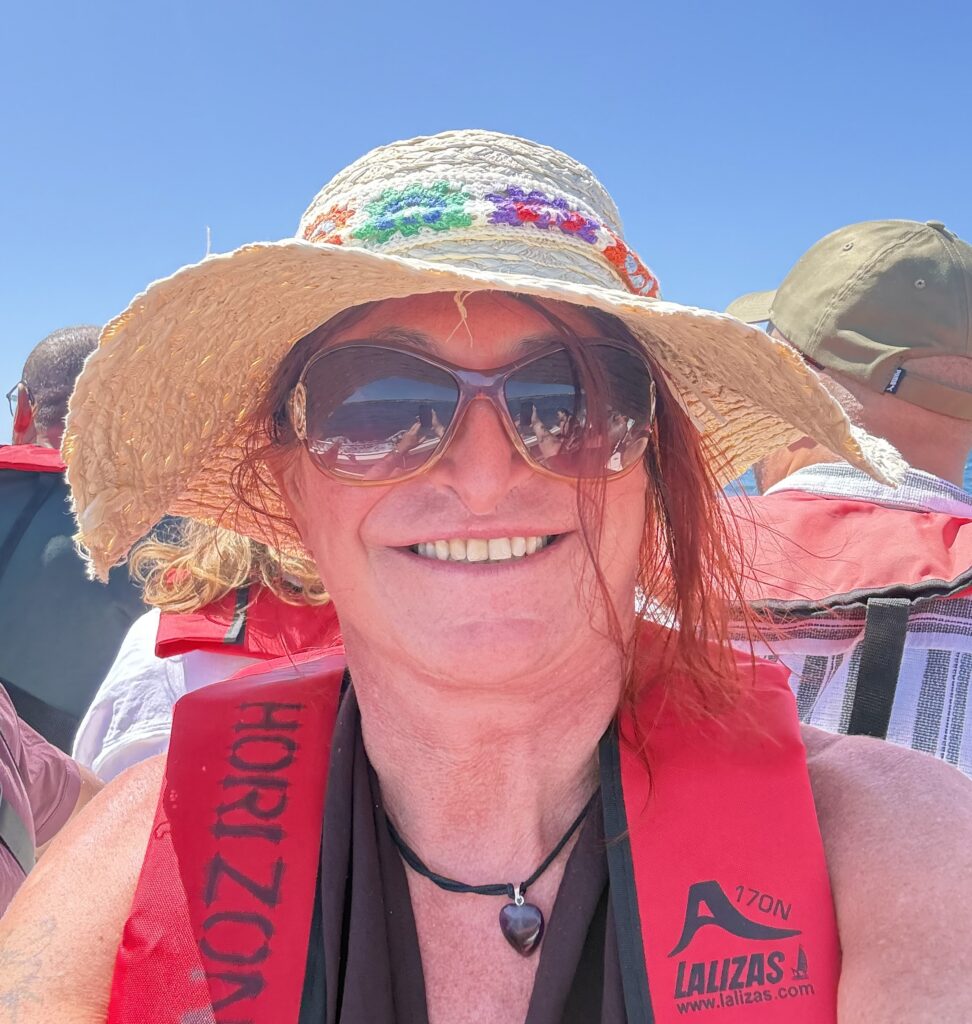
Mag. Valerie Lenk
Psychosocial Counsellor · Management Consultant · Trainer
Sometimes life leads us towards a role we never originally set out to pursue. For Valerie Lenk, personal crises and the experience of how important support can be during difficult periods first led her to peer counselling and later to psychosocial counselling.
Wanting to support people not only through personal experience but also with sound professional knowledge, Valerie completed her training as a psychosocial counsellor in 2025.
A particular focus of her work is exploring discrimination and self-stigma. In her diploma thesis, she examined in depth how social devaluation and prejudice can become internalised—and how people may begin to adopt negative stereotypes about themselves. She deliberately does not limit her work to one particular form of discrimination, although supporting trans* people is a special focus.
Valerie draws on systemic and Gestalt-oriented approaches. Her aim is not to tell people how to live or which decisions to make. Instead, she works collaboratively with her clients to identify the resources they already have, the burdens that make life more difficult, and the paths that may lead to greater self-determination and quality of life.
An important part of her work is connecting individual self-determination with social realities. Valerie believes that, in the long term, it can be relieving to no longer feel that we must constantly fight against the world, but instead find a place of our own within it—with our needs, boundaries and individual characteristics, without having to deny who we are.
For people who have experienced discrimination because of their identity, background, way of life or other characteristics, this journey can be challenging. The effects of such experiences often extend far beyond the immediate situation and can influence our self-image, relationships and trust in our own perceptions.
In her counselling, Valerie aims to create a space where these experiences can be expressed, explored and seen from new perspectives—in an atmosphere of respect, equality and openness, without ready-made answers.
Her work combines professional counselling with many years of experience supporting people through crises and a commitment to building a society in which diversity does not constantly have to be explained or defended, but can simply be accepted as a matter of course.
Her goal is not to change people. It is to support them in finding their own path—and in living a life in which they can remain true to themselves while also finding their place in society.